
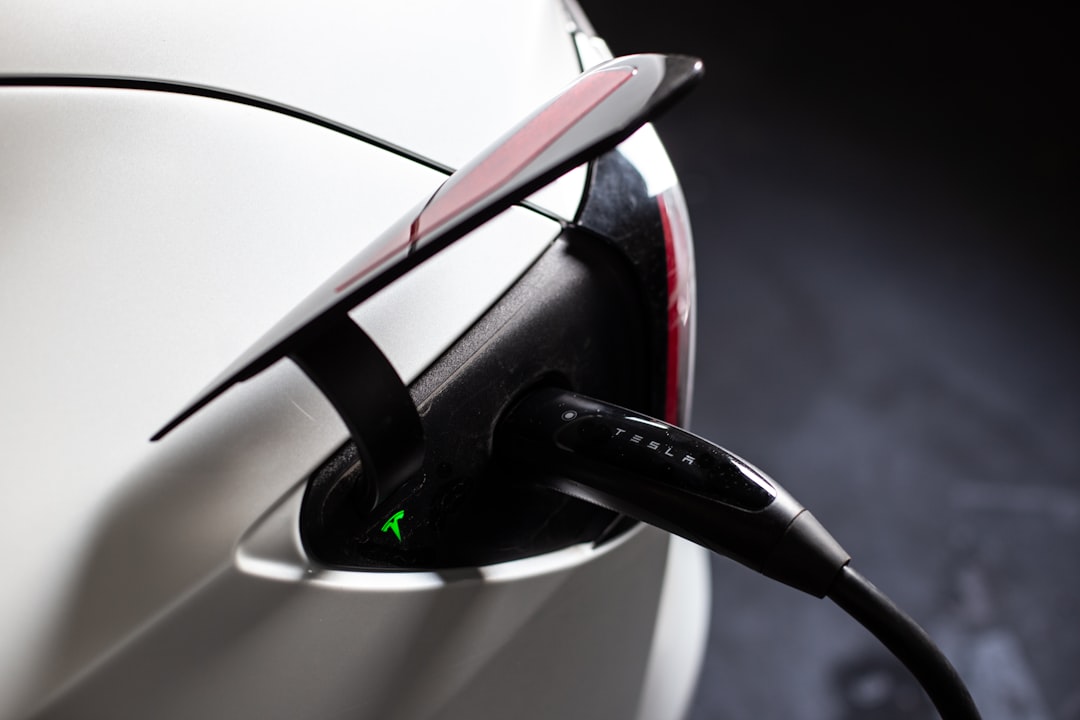
As electric vehicles become more common, public charging stations are now a regular part of daily life for many drivers. Whether you’re charging at a shopping center, workplace, parking garage, or highway rest stop, public EV charging offers convenience and flexibility. However, charging in public environments also comes with safety considerations that every EV owner should understand. Knowing how to safely use public charging stations helps protect your vehicle, your personal safety, and the charging equipment itself.
One of the most important aspects of public EV charging safety is awareness of your surroundings. Public charging stations are often located in shared spaces such as parking garages or outdoor lots, which means visibility and lighting matter. Whenever possible, choose well-lit areas with regular foot traffic, especially if charging at night. Remaining aware of your surroundings while plugging in or unplugging your vehicle helps reduce the risk of personal safety concerns and accidental damage to equipment.
Before connecting your vehicle, it’s always a good idea to visually inspect the charging station and cable. Look for obvious signs of damage such as cracked connectors, exposed wiring, frayed cables, or broken housings. Public charging equipment is used by many drivers and exposed to weather, so wear and tear can occur over time. If anything looks damaged or unsafe, avoid using that station and report it to the network operator if possible. Using compromised equipment can pose electrical hazards and may damage your vehicle.
Proper cable handling is another key part of safe public charging. Avoid allowing the charging cable to rest in standing water, snow, or mud, especially at outdoor stations. While EV charging equipment is designed to be weather-resistant, keeping connections clean and dry whenever possible reduces unnecessary risk. Make sure the connector is fully seated and locked into your vehicle before walking away, and never force a connector that doesn’t fit smoothly.
It’s also important to follow charging etiquette, which plays a role in safety as well. Do not stretch charging cables across walkways or drive lanes where they could create tripping hazards or become damaged by vehicles. If a station requires authentication or activation through an app or card, complete that process fully to ensure the charger is operating correctly before leaving your vehicle unattended. Ending the charging session properly before unplugging helps prevent electrical arcing and protects the connector.
Another safety consideration when charging in public is protecting your personal and vehicle security. Avoid leaving valuables visible in your vehicle while charging, especially at stations located in busy or unfamiliar areas. Lock your car once charging has started, and be mindful of sharing personal information when using public charging apps or networks. Using reputable charging networks and keeping your apps updated helps reduce cybersecurity risks.
Weather conditions can also impact public charging safety. Extreme heat, cold, rain, or snow can affect both the charging equipment and your vehicle. While EV chargers are designed for outdoor use, it’s best to take extra care during severe weather. Avoid handling charging equipment during lightning storms, and be cautious when unplugging in icy conditions to prevent slips or falls. If a station appears to be malfunctioning due to weather exposure, it’s best to choose another location.
Understanding charging speeds and limits is another important safety factor. Some public chargers deliver much higher power levels than home chargers, particularly DC fast chargers. While these chargers are safe when used correctly, frequent fast charging can generate additional heat and place more stress on a vehicle’s battery over time. Following manufacturer recommendations for charging frequency and limits helps maintain battery health and long-term reliability.
Finally, while public charging is convenient, many EV owners find that the safest and most reliable charging solution is charging at home. A professionally installed home EV charger provides consistent performance, eliminates the need to rely on shared equipment, and allows you to charge in a controlled environment. Home charging also reduces exposure to damaged equipment, weather-related risks, and crowded charging locations.
Public EV charging is an important part of the electric vehicle ecosystem, and when used properly, it is both safe and effective. By staying aware of your surroundings, inspecting equipment, handling cables correctly, and following basic charging etiquette, you can confidently charge your electric vehicle in public locations while minimizing risk.
Auto Charge Pros provides professional EV car charger installation and residential electrical services throughout Northern Virginia. For homeowners who want a safer, more convenient alternative to public charging, a properly installed home EV charger offers peace of mind and dependable daily charging.
Find out more at
Auto Charge Pros
https://www.autochargepros.com/
571-293-0373
Aldie,VA 20105
Auto Charge Pros is a locally owned electrical company specializing in EV car charger installation throughout Aldie and Western Loudoun County. From Tesla Wall Connectors to NEMA 14-50 outlets, we handle the entire process including load calculations, permits, inspections, and a clean finished result.
