
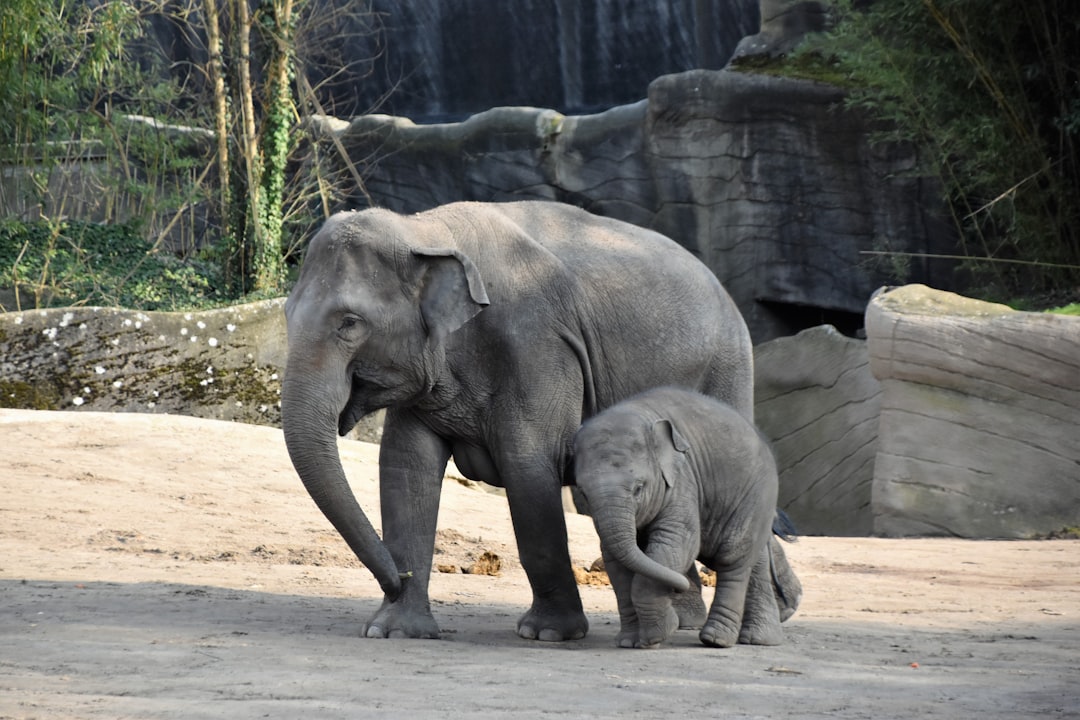
In recent years, the trend of keeping exotic animals as pets has gained popularity among certain individuals. From tigers and monkeys to pythons and exotic birds, people are considering these animals as pets due to their unique and exotic appeal. However, what many fail to realize is the dangers and potential risks that come with owning these animals.
First and foremost, exotic animals are not meant to be kept as pets. They are wild creatures that require specific environments and diets to thrive. When taken out of their natural habitats and placed in a human household, they can experience stress, anxiety, and behavioral issues. These animals are not domesticated like cats and dogs, so their natural instincts can lead to dangerous and unpredictable behavior.
One of the biggest dangers of keeping exotic animals as pets is the risk of physical harm. Many of these animals have the potential to cause serious injury or even death to their owners or others. For example, large predators like tigers and bears have powerful jaws and claws that can inflict fatal wounds. Snakes and other reptiles can also be dangerous, as they may carry diseases or deliver venomous bites.
In addition to physical harm, exotic animals can also pose a threat to public safety. If they were to escape or be released into the wild, they could disrupt local ecosystems, prey on native species, or spread diseases. This has been seen in cases where exotic pets have been abandoned or set free by owners who can no longer care for them.
Furthermore, owning exotic animals can be detrimental to their well-being. Many of these animals have specific dietary needs and require specialized care that the average person may not be able to provide. Without proper nutrition, veterinary care, and enrichment, these animals can suffer from malnutrition, disease, and psychological distress. In many cases, owners are simply not equipped to meet the complex needs of these animals.
Another issue with keeping exotic animals as pets is the illegal wildlife trade. Many of these animals are captured from the wild and transported under cruel and inhumane conditions. This not only harms individual animals, but also threatens entire species and ecosystems. By purchasing exotic pets, individuals are contributing to the demand for illegal wildlife trafficking and perpetuating this harmful practice.
Additionally, owning exotic animals can have legal implications. Many countries and states have strict regulations and laws regarding the ownership of exotic pets. Failure to comply with these laws can result in fines, confiscation of animals, and even criminal charges. In some cases, owning an exotic animal may be illegal altogether due to concerns about public safety and animal welfare.
While some may argue that they can provide a good home for these animals and care for them properly, the reality is that the majority of people are not equipped to handle the responsibility of owning an exotic pet. Proper care for these animals requires extensive knowledge, experience, and resources that most individuals simply do not possess.
In conclusion, the dangers of keeping exotic animals as pets far outweigh any perceived benefits. These animals belong in their natural habitats, where they can live freely and exhibit their natural behaviors. By keeping them as pets, we are putting both the animals and ourselves at risk. It is important to prioritize the well-being of these creatures and support efforts to protect them in the wild, rather than exploiting them for our own entertainment. Let’s leave the wild where it belongs and appreciate these amazing creatures from afar.
