
A well-kept house rarely stays that way by accident. Most expensive problems begin quietly: a small roof leak, a loose handrail, a drafty window, a faint stain that suggests moisture where it should not be. Staying ahead of home repairs is not simply about appearance. It is about protecting safety, preserving comfort, avoiding preventable damage, and helping every major part of the property last as long as it should.
Start With the Repairs That Matter Most
The smartest way to approach home repairs and maintenance is to prioritize by risk rather than by convenience. Cosmetic flaws can wait. Water intrusion, electrical concerns, structural movement, and anything that affects health or safety should move to the top of the list. A methodical approach keeps small jobs from being forgotten and helps you avoid the common mistake of spending time on visible issues while hidden damage grows worse.
- Address moisture first. Check for roof leaks, plumbing drips, condensation around windows, damp basement walls, and stains on ceilings or trim. Water is persistent, and even a minor leak can lead to rot, peeling finishes, warped materials, and mold.
- Fix safety hazards next. Test smoke and carbon monoxide alarms, tighten stair rails, secure loose flooring, repair exterior steps, and make sure locks and latches work properly. Everyday safety items deserve regular attention, not last-minute fixes.
- Watch for structural warning signs. Cracks that widen, doors that suddenly stick, sagging floors, and gaps around frames can suggest movement that needs closer evaluation. Not every crack is serious, but every new pattern is worth monitoring.
- Protect core systems. Plumbing, heating, cooling, and electrical systems affect the whole house. A neglected filter, a slow drain, or an overloaded outlet can lead to larger disruption later.
- Leave cosmetic work for last. Scuffed paint, dated hardware, and minor finish wear still matter, but they should follow the repairs that preserve function and prevent damage.
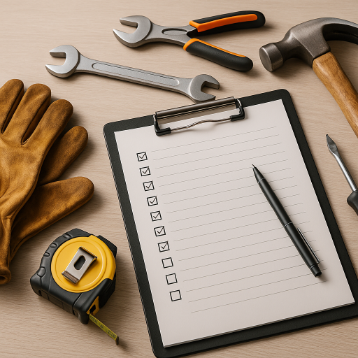
Keep a simple running list with dates, notes, and follow-up actions. Even a basic record helps you notice patterns, remember seasonal tasks, and decide which jobs can wait and which ones should be handled immediately.
Room-by-Room Home Repairs Inside the House
Interior maintenance is easiest when you break it into zones. Each room has its own common trouble spots, and catching them early is often a matter of paying attention to small changes in sound, smell, temperature, or appearance.
Kitchen and bathrooms
These spaces demand close inspection because they combine water, heat, and frequent daily use. Look under sinks for dampness, corrosion, or swelling inside cabinets. Check caulk around tubs, showers, backsplashes, and sinks for gaps or discoloration. Test exhaust fans to make sure steam is actually being removed rather than lingering on walls and ceilings. Cabinet hinges, drawer slides, faucet aerators, and shutoff valves also benefit from occasional inspection. In kitchens, watch for worn grout, soft flooring near appliances, and any signs that a dishwasher or refrigerator line may be leaking.
Walls, floors, windows, and doors
Living areas often reveal maintenance needs in subtle ways. Walk slowly through the house and notice squeaks, soft spots, drafts, cracked trim, and peeling paint. Windows should open, close, and lock smoothly; if they do not, the cause may be paint buildup, settling, damaged hardware, or moisture. Doors that rub or fail to latch properly may need simple adjustment, but they can also signal seasonal expansion or changes in the framing. Flooring deserves more attention than many homeowners give it, especially near exterior doors, in hallways, and around pet bowls, plants, or any area where water may sit unnoticed.
Basement, attic, and utility areas
These are the least glamorous parts of the house, but they often provide the earliest clues to larger problems. In the basement, look for musty odors, efflorescence on masonry, standing water after rain, rust on mechanical components, and insulation that feels damp. In the attic, check for daylight where it should not be visible, signs of pest activity, compressed insulation, and dark staining on roof sheathing. Around utility equipment, pay attention to unusual noises, vibration, dust buildup, blocked vents, and neglected filters. These areas are where preventive maintenance quietly pays off.
Exterior Maintenance That Protects the Structure
The outside of the house takes the first hit from sun, wind, moisture, and temperature swings, so exterior checks should never be occasional guesswork. A few regular inspections can prevent the kind of damage that spreads behind walls or under roofing before you notice anything indoors.
- Roof and gutters: Look for missing or damaged shingles, failing flashing, sagging gutters, and downspouts that discharge too close to the foundation. Clogged gutters can direct water exactly where you do not want it.
- Siding and trim: Peeling paint, cracked caulk, soft wood, and open joints allow moisture to enter. Trim around windows and doors is especially vulnerable and should be checked closely.
- Foundation and drainage: Walk the perimeter after rain. Water should move away from the house, not pool beside it. Inspect grading, splash blocks, and any low spots where runoff collects.
- Decks, steps, and railings: Test for movement, loose fasteners, splintering, rot, and corrosion. Exterior walking surfaces need both structural soundness and a safe finish underfoot.
- Driveways, paths, and fences: Cracks, heaving, and leaning sections often worsen gradually. Early repairs are usually simpler than complete replacement later.
If you notice active leaks, rotted exterior wood, failing masonry joints, or damage that appears to involve more than one building layer, it is sensible to seek qualified help. In those cases, reviewing trusted options for home repairs can be a practical step before weather exposure turns a manageable fix into a larger project.
A Seasonal Checklist for Home Repairs and Maintenance
A seasonal rhythm makes maintenance easier because it spreads work across the year and lines each task up with changing weather. You do not need an elaborate system. A simple checklist used consistently is often enough to keep the property in much better condition.
| Season | Priority Areas | What to Check |
|---|---|---|
| Spring | Roof, gutters, drainage, exterior surfaces | Inspect for winter damage, clear debris, check for leaks, examine siding and trim, and confirm water flows away from the foundation. |
| Summer | Windows, doors, decks, cooling systems | Seal drafts, touch up exterior paint, tighten loose hardware, inspect outdoor structures, and clean or replace cooling filters. |
| Fall | Heating, insulation, weather protection | Test heating equipment, inspect attic insulation, seal gaps, clean gutters again, and make sure outdoor faucets and exposed pipes are protected. |
| Winter | Indoor moisture, safety devices, emergency readiness | Monitor condensation, test alarms, watch for ice-related issues, check for drafts, and keep basic repair supplies ready for sudden problems. |
Seasonal planning also helps you distinguish between urgent repairs and routine upkeep. If a task affects safety, water, electricity, or structural stability, it is not seasonal anymore; it is immediate.
Know When to DIY and When to Call a Professional
Many maintenance tasks are manageable for a careful homeowner, especially basic inspection, cleaning, sealing, painting, tightening hardware, replacing weatherstripping, and monitoring changes over time. The key is not ambition but judgment. A good rule is simple: if the repair involves hidden water damage, electrical work, gas lines, structural load, roof safety, or anything that requires opening finished surfaces without clear confidence, the wiser choice is usually professional help.
- Good DIY candidates: replacing caulk, patching small holes, lubricating hinges, cleaning gutters from a safe setup, swapping air filters, touching up paint, and re-securing loose trim or hardware.
- Better for a professional: active roof leaks, recurring plumbing leaks inside walls, electrical faults, foundation concerns, major drywall damage caused by water, rotted framing, and persistent drainage issues.
- Always worth documenting: photos before and after, dates of repair, product or material details, and any signs that the issue returns later.
The best checklist is the one you will actually use. Walk the house regularly, keep notes, respond quickly to moisture and safety concerns, and resist the temptation to dismiss small warning signs. Over time, that discipline turns home repairs from a stressful reaction into a steady, manageable routine. A house does not need constant perfection, but it does need consistent attention, and that is what preserves both its condition and the ease of living in it.
To learn more, visit us on:
Home improvement and renovations| Mr and Ms Fix it – Davenport, IA
https://www.mrandmsfixit.com
+1-563-286-2501
Davenport Iowa
Ms. Fix It Construction Company
Overview
Located in Davenport, IA, Mr. and Ms. Fix It Construction Company offers comprehensive remodeling, handyman services, home repair, and maintenance solutions. Our commitment to quality craftsmanship and customer satisfaction sets us apart as a trusted name in home improvement.
Mission Statement
Our mission is to transform living spaces with precision and care, ensuring every project reflects the unique needs and style of our clients. We strive to provide reliable, affordable, and versatile services that enhance the functionality and aesthetics of homes.
Services Offered
1. Remodeling
Kitchens and Bathrooms: Revitalize key areas of your home with modern designs and efficient layouts.
Basements: Transform unused spaces into functional living areas or entertainment hubs.
Additions: Expand your home with well-integrated additions that enhance both space and value.
2. Handyman Services
Minor Repairs: From fixing leaky faucets to patching drywall, no task is too small.
Installation Services: Professional installation of fixtures, appliances, and more.
General Maintenance: Keep your home in top shape with regular upkeep by skilled professionals.
3. Home Repair
Emergency Repairs: Swift response to urgent issues to prevent further damage.
Structural Repairs: Address foundational and structural integrity concerns with expert solutions.
Exterior Repairs: Ensure your home’s exterior remains durable and visually appealing.
4. Maintenance
Seasonal Maintenance: Prepare your home for changing seasons with proactive services.
Routine Inspections: Regular checks to catch potential issues early.
Customized Maintenance Plans: Tailored plans to suit your specific home needs.
Core Values
Quality: Unwavering commitment to excellence in every project.
Reliability: Dependable service you can trust, time and again.
Affordability: Competitive pricing without compromising on quality.
Customer Satisfaction: A focus on meeting and exceeding client expectations.
Why Choose Us?
Experienced Professionals: Our team consists of skilled tradespeople with years of experience.
Local Expertise: Deep understanding of the Davenport area and its unique construction needs.
Transparent Process: Clear communication and detailed project planning to keep you informed every step of the way.
Sustainable Practices: Commitment to environmentally friendly techniques and materials.
At Mr. and Ms. Fix It Construction Company, we are more than just a service provider; we are your partners in creating a home that is both beautiful and functional. Let us help you realize your vision with our comprehensive home improvement solutions.understanding of the Davenport area and its unique construction needs.
Transparent Process: Clear communication and detailed project planning to keep you informed every step of the way.
Sustainable Practices: Commitment to environmentally friendly techniques and materials.
At Mr. and Ms. Fix It Construction Company, we are more than just a service provider; we are your partners in creating a home that is both beautiful and functional. Let us help you realize your vision with our comprehensive home improvement solutions.


